Benefits of Mudras Mentioned in Different CulturesOur Yoga Blogs
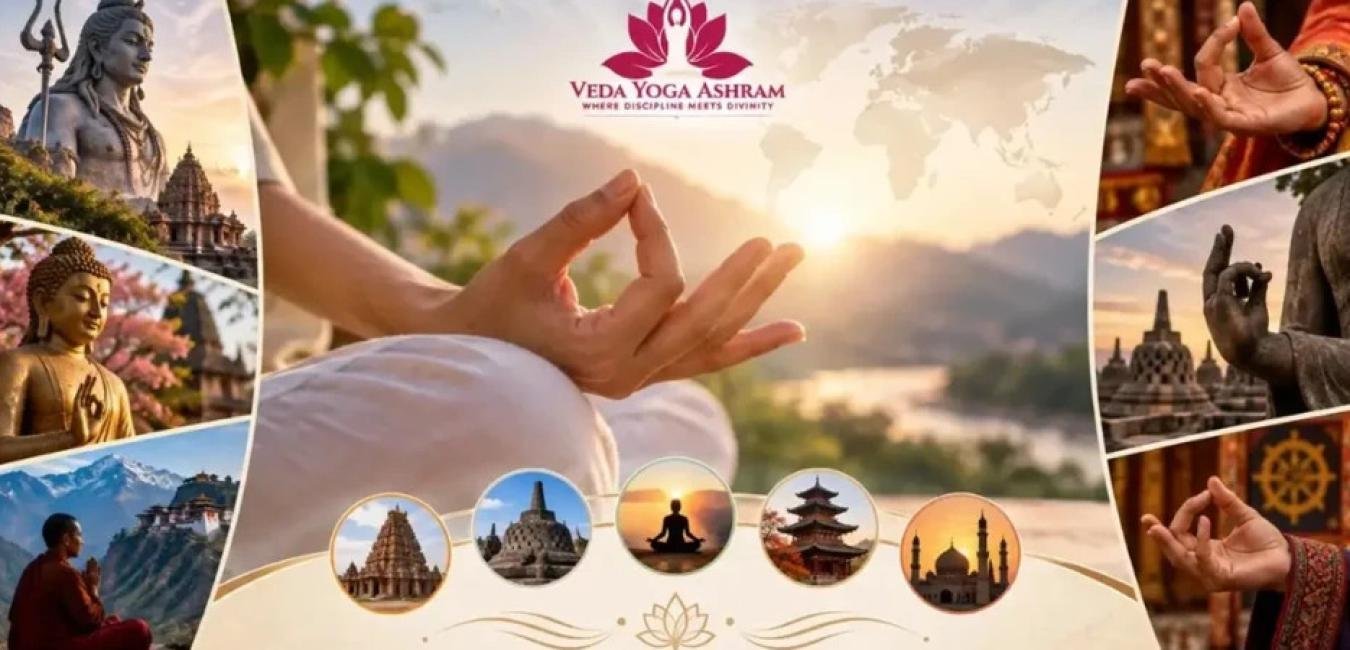
Mudra means gesture. It is a Sanskrit word and is taken from the ancient Hindu texts. There are several words with which is taken the different meanings of the Mudra. Apart from its meaning, there are numerous benefits in diseases, symptoms and various abnormal conditions of the body. Neurological and cardiac problems can be cured with a simple practice every day. A wonderful science, and a coordination of spirituality & science.
In Yoga, there are various types of Mudras which are generally used along with the breath practice (pranayama). Different mudras can be achieved by changing the position of the fingers. These are not just applicable in Yoga but also followed in the ancient Indian dance “ Kathak” too. Mudras and their meanings vary based on each gesture.
Table of Contents
- What are Mudras in Yoga?
- Link Between Ayurveda and Mudras
- Different Types of Mudras in Yoga
- 1. Hasta Mudras
- 2. Mana Mudras
- 3. Kaya Mudras
- 4. Bandha Mudras
- 5. Andhra Mudras
- Mudra Benefits in all Traditions
- Improved Concentration
- Mindfulness and Awareness
- Emotional and Spiritual Symbolism
- Ritual and Devotional Expression
- What is the Scientific Evidence for the Benefits of Mudras?
- Conclusion
What are Mudras in Yoga?
Mudra is a specific gesture used in yoga. Daily practice of mudras channels the flow of prana or life force. There are several kinds of mudras, including hasta mudras, kaya mudras, and citta mudras. Mainly, people practice the hasta mudras.
Link Between Ayurveda and Mudras
Ayurveda shows the body is made of five elements: fire, water, air, space, and earth. A healthy body has the perfect balance of these elements. A dominating or weakening element can cause imbalance in the body. Consequently, it puts negative impact on the health and can cause disease or illness. Five elements of the body.
In yoga philosophy, prana runs through the five fingers for each element. By nurturing the pranas, we can increase or decrease the prana to specific parts of the body. Hence, mudra is referred to for balancing the five elements of the body. When you practice a specific mudra, it helps to restore the balance of the five elements of the body.
The fingers represent, accordingly, each element:
- The Thumb – represents the fire element
- The Index finger – represents the air element
- The Middle finger – represents the space element
- The Ring finger – represents the earth element
- The Pinky finger – represents the water element
Different Types of Mudras in Yoga
In ancient Hindu texts, there are three ancient texts: Hath Yoga Pradipika, Gheranda Samhita, and Shiv Samhita, which classify and explain the types and benefits. Mudras are divided according to their purpose in the spiritual, physical and energetic practices. These are instruments that regulate the flow of the Prana in the various channels of the body.

According to the organs in which the mudras are being performed, some mudras are defined. As in hand mudras and kaya mudras, the asana should be relaxed and comfortable.
1. Hasta Mudras
Most of these are gestures of the hands which are often used during yoga and meditation. The functions take place without the involvement of an organ-specific. They are primarily used in the context of knowledge, gestures of life, detox and prayer gestures. Helps in focusing and centralising energy in any specific loop of the body.
2. Mana Mudras
They engage the eyes, ears, tongue, lips and mind: essentially meant for awareness and to alter mental focus. They are done by the master Yogis, and it is beneficial to do them under the guidance of the master. They can impact the entire body system or the body's energy flow.
3. Kaya Mudras
The mudras are ones that involve the whole body and should be done in sync with the breathing exercise. They form an inverted symbolically expressed position and a bending forward position. Mudras in Hinduism have spiritual and symbolic importance.
4. Bandha Mudras
Locking of energy by using different internal sphincters in the digestive system is known as bandhas. Some yoga masters do not count them amongst the mudras because of unexpected manipulation of energy.
5. Andhra Mudras
They are extremely similar to the bandhas, and they also regulate the energy flow in the lower chakras. They are Perineal, base energy/gestures. In these three mudras, anal and urethral control is taken into account.
Also go through:- Spiritual Leaders in India
Mudra Benefits in all Traditions
The multiple benefits of mudras are;
Improved Concentration
Mudras can be an integral part of meditation. For some practitioners, having hands in a specific place may give a physical anchor for attention and also keep them in check of their practice.
Mindfulness and Awareness
The intentional hand position is used to invite people to take a moment to slow down and stay in their current moment. This can be integrated into controlled breathing or meditation to increase the mindful experience.
Emotional and Spiritual Symbolism
The meaning of many mudras is qualities such as peace, compassion, wisdom, courage, devotion, and fearlessness. These qualities can be symbolically represented through their use by practitioners.
Ritual and Devotional Expression
In Hindu and Buddhist culture, Mudras can offer a physical aspect of prayer, devotion, respect, or spiritual wish. Practitioners can express their devotional feelings through daily mudra practice.
What is the Scientific Evidence for the Benefits of Mudras?
It is important to note the traditional benefits of the mudras and not assume them to be scientific evidence. There is scant high-quality research showing that a single mudra is responsible for a specific medical effect on its own.
Certain types of meditation, mindfulness, deep breathing exercises and yoga have been investigated for their beneficial impacts on stress, attention, relaxation and wellbeing. In incorporating mudras to these practices, some may experience benefits as part of the expanded mind/body act.
Therefore, use of Mudras is considered traditional, symbolic and contemplative as opposed to a replacement for medical treatment.
Also go through :- 100 Hour Yoga Teacher Trainning in Rishikesh
Conclusion
There are numerous benefits of Mudras, and they are also written in texts, sculptured on the stones and signified by their modern relevancy. With the effort and diligence of the Yogis and Masters, these benefits are "re-discovered". They are gifts of the ancient Hindu books, but spread throughout the entire Asian continent. It just shows how deep they are when it comes to science and spirituality; among some of them, they are suggested to be performed under the guidance of a master. Mudra benefits may include calmness and better focus.
 Q. Which cultures use mudras?
Share Post
No Comments Yet